
This is part of a series of articles written by the Department of Arkansas Heritage to celebrate the Semiquincentennial of the United States. While Arkansas was not yet a territory or a state in 1776, the region that would become the state of Arkansas in 1836 played an important part in the evolution of the United States over the past 250 years.
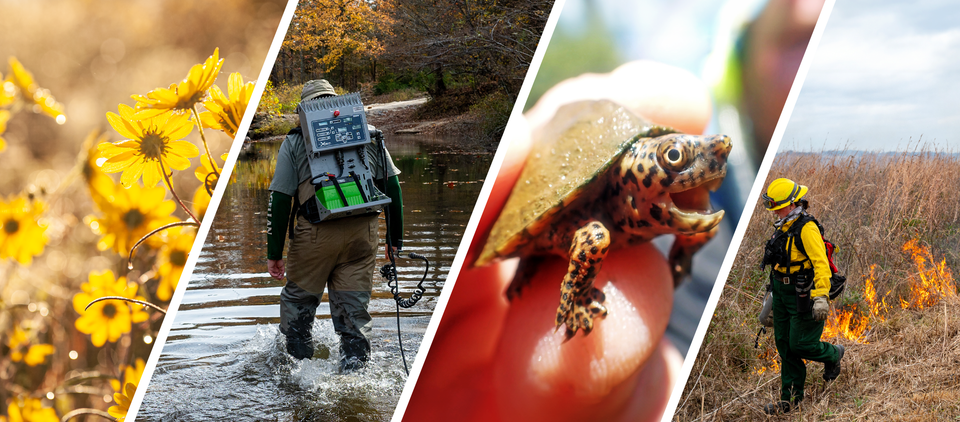
For over 50 years, the Arkansas Natural Heritage Commission has been focused on preserving the state’s biological diversity and natural landscape, including rare, threatened and endangered communities that call Arkansas home. Arkansas is comprised of six ecological regions or “ecoregions” – the Ozark Mountains, the Arkansas River Valley, the Ouachita Mountains, Crowley’s Ridge, the Mississippi Alluvial Plain and the Coastal Plain.
Creating a System of Natural Areas
The need to preserve the state’s natural landscape became a focus for lawmakers in the early 1970s. In1971, the Arkansas Planning Commission was tasked with “establishing a system for the preservation of natural areas and with providing for the inventory, acquisition, and protection of such areas.” The Arkansas Natural Area Plan was created without initial funding available for implementation. In 1973, the Arkansas Environmental Preservation Commission (later renamed the Arkansas Natural Heritage Commission, or ANHC, was created and charged with “1) establishing and protecting the Arkansas System of Natural Areas; 2) collecting and maintaining information on the rare plant, animal, and high-quality natural communities of Arkansas; and 3) providing data and information regarding the natural diversity of Arkansas.”
The first Arkansas Natural Area was established through a donation from the Singer Company in 1973 (of Singer sewing machine fame). How did Singer become the first donor for an Arkansas Natural Area?
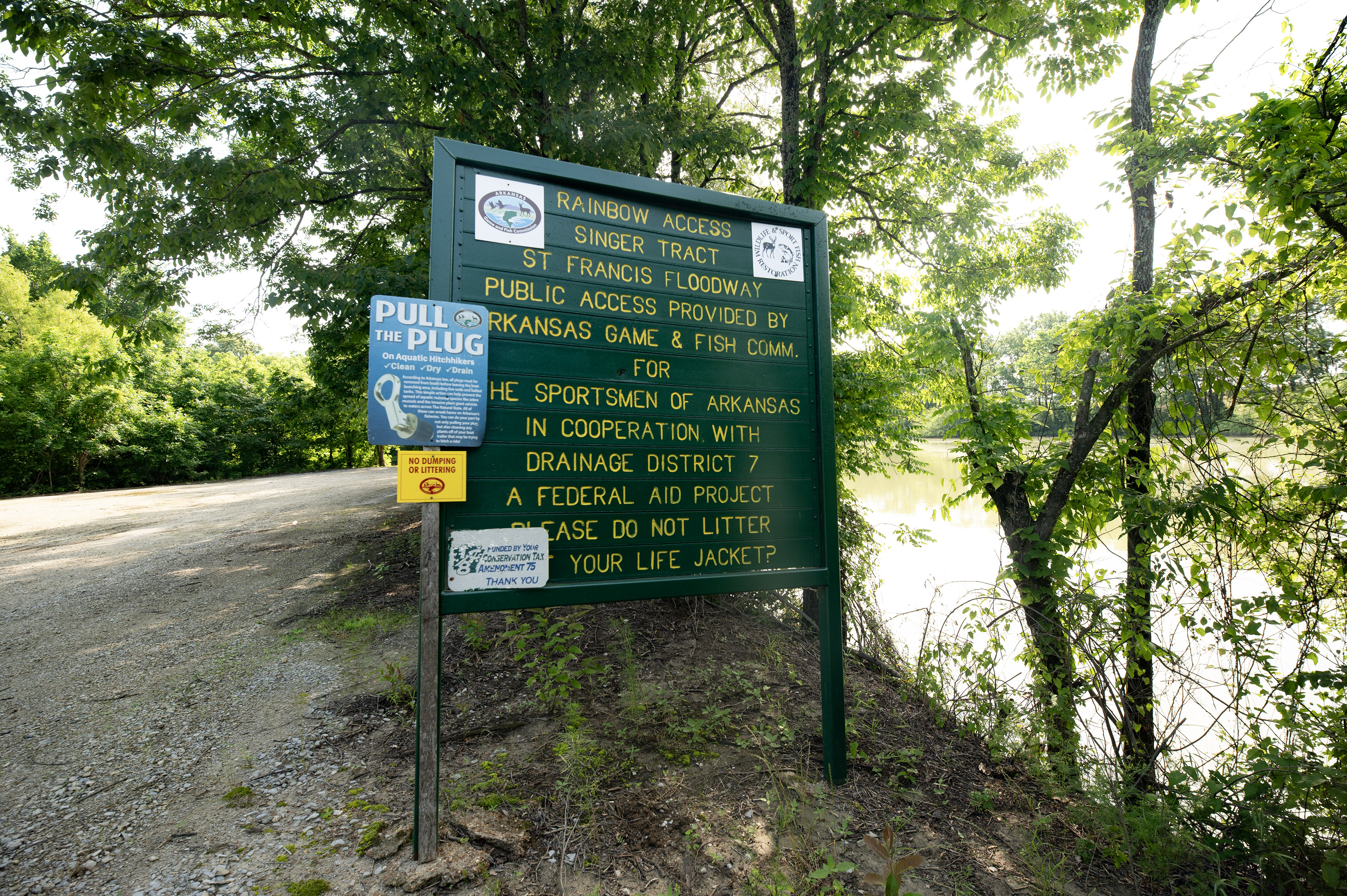
In 1903, the Singer Manufacturing Company purchased a local timber mill (in modern-day Trumann). They began using local timber to make sewing machine covers and bases. Singer ultimately played a major role in Trumann's growth during that time, building homes for married employees and clubhouse lodging for single workers, as well as constructing baseball fields, parks and a community house for the town. The company once employed nearly 3,000 local citizens at the Trumann factory alone. The factory closed in 1982.
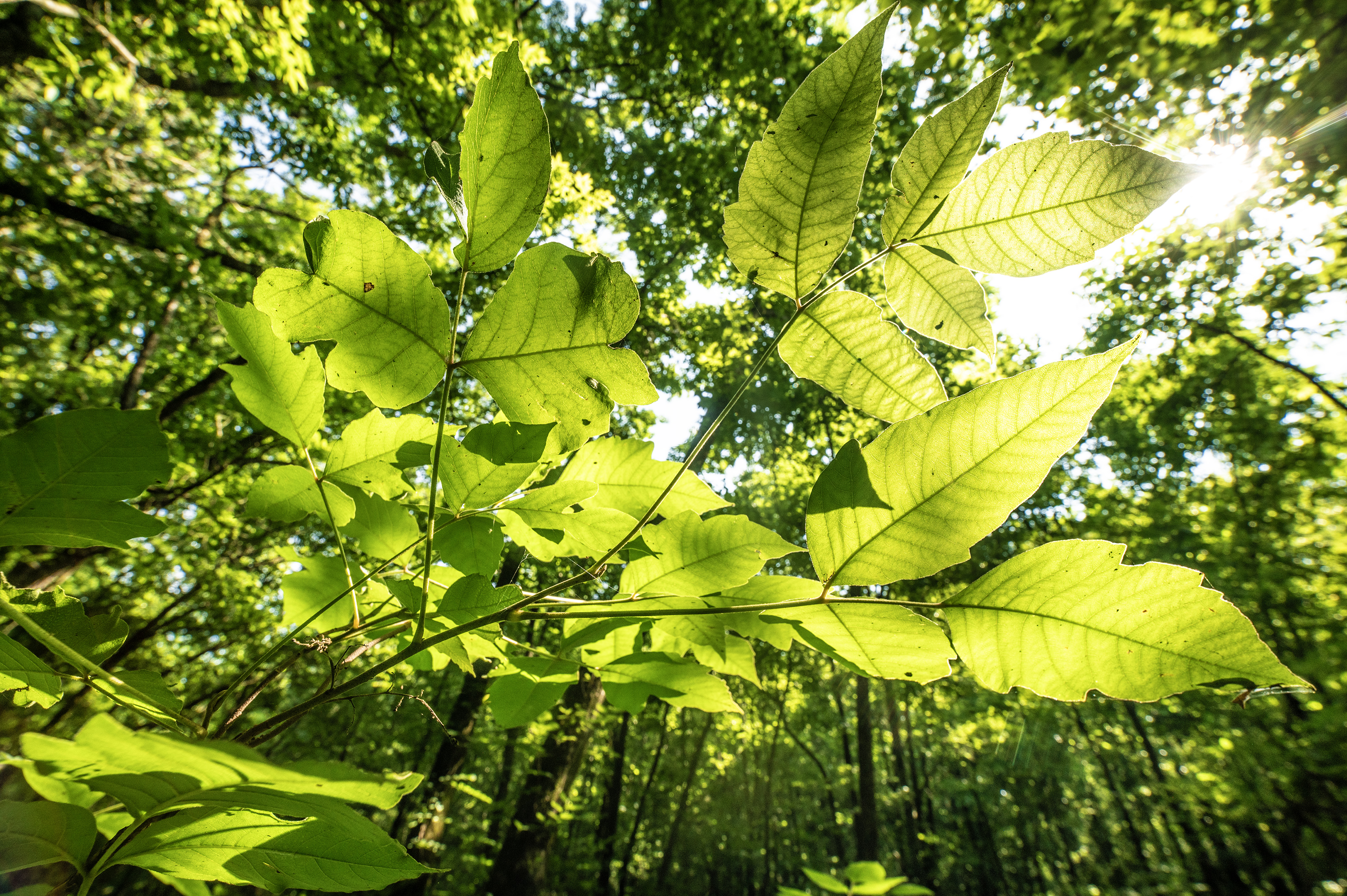
The Singer Forest Natural Area, acquired in 1973, is a 519-acre tract of bottomland forest and overland swamp, once a common sight in the Arkansas Delta before draining projects and deforestation.
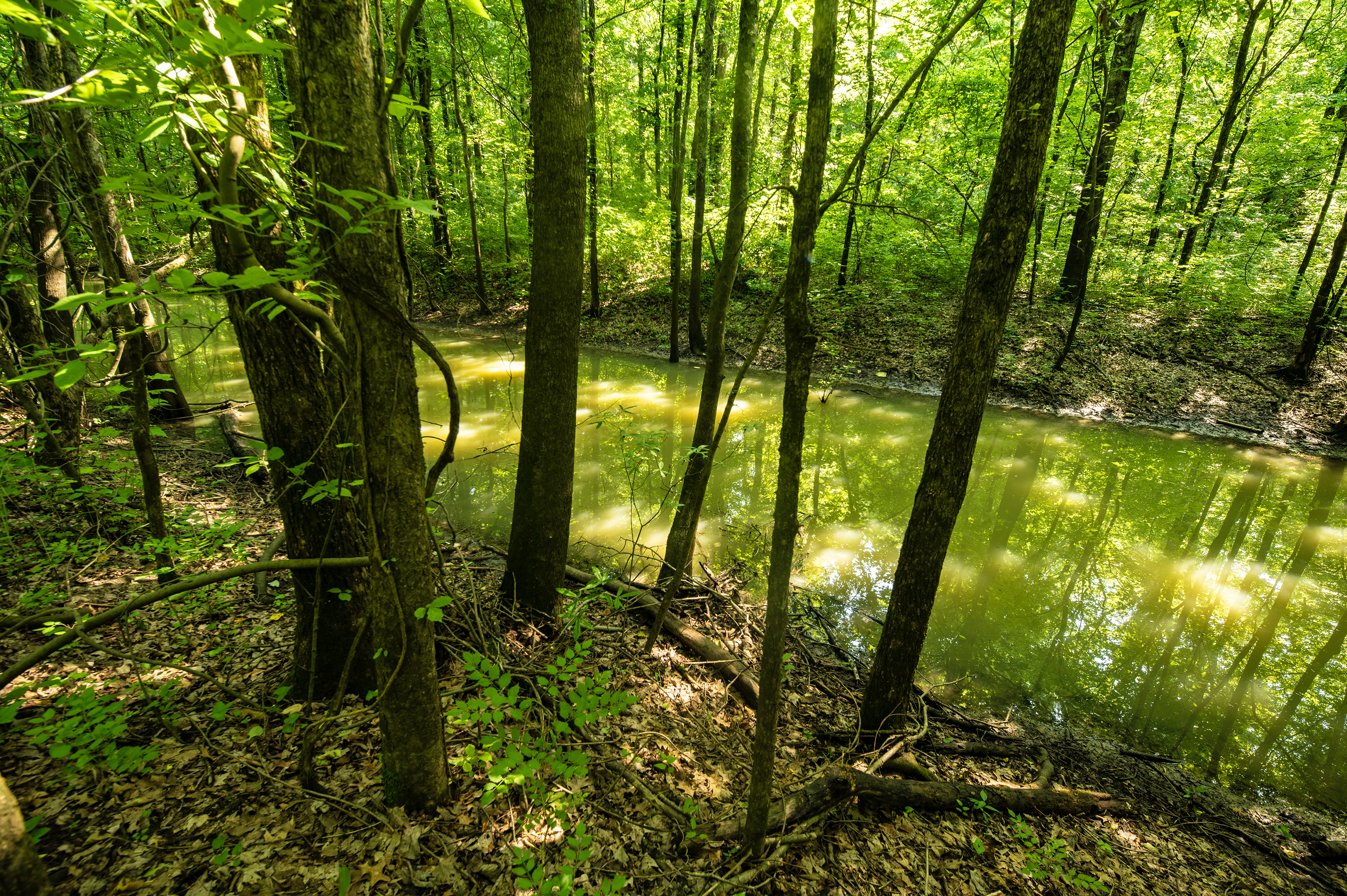
Located near Marked Tree, Arkansas, this Natural Area allows visitors to experience a forested wetland once commonplace in the Arkansas Delta. Singer Forest habitat features soil that is flooded or wet during specific times of the year and is a favorite hangout for beaver . Singer Forest is also part of the St. Francis Sunken Lands Wildlife Management Area, and some hunting is allowed. The Arkansas Game and Fish Commission co-manages the Natural Area.
 Since the development of the Singer Forest Natural Area, the Arkansas Natural Heritage Commission has added 82 (and counting!) other sites across The Natural State, spanning nearly 80,000 acres. The sites are as diverse as Arkansas itself. ANHC’s website describes it best, stating that the agency “is charged with the responsibility of protecting the best of the last remaining vestiges of the state's natural communities.” The Arkansas System of Natural Areas contains crucial nesting and foraging habitat for the federally threatened Red-cockaded Woodpecker as well as caves that host the largest known population of the rare Ozark Cavefish. Each Natural Area is special and protects unique plants, animals and habitats for future Arkansans to continue to appreciate.
To learn more about all of Arkansas’ System of Natural Areas, click here. To learn more about the Arkansas Natural Heritage Commission, visit www.arkansasheritage.com/arkansas-natural-heritage/anhc-home.