This is part of a series of articles written by the Department of Arkansas Heritage to celebrate the Semiquincentennial of the United States. While Arkansas was not yet a territory or a state in 1776, the region that would become the state of Arkansas in 1836 played an important part in the evolution of the United States over the past 250 years.
The Old State House is the oldest standing state capitol building west of the Mississippi River. With four massive Doric columns framing the front of the building, it stands today as majestically as it did in the mid-1800s,
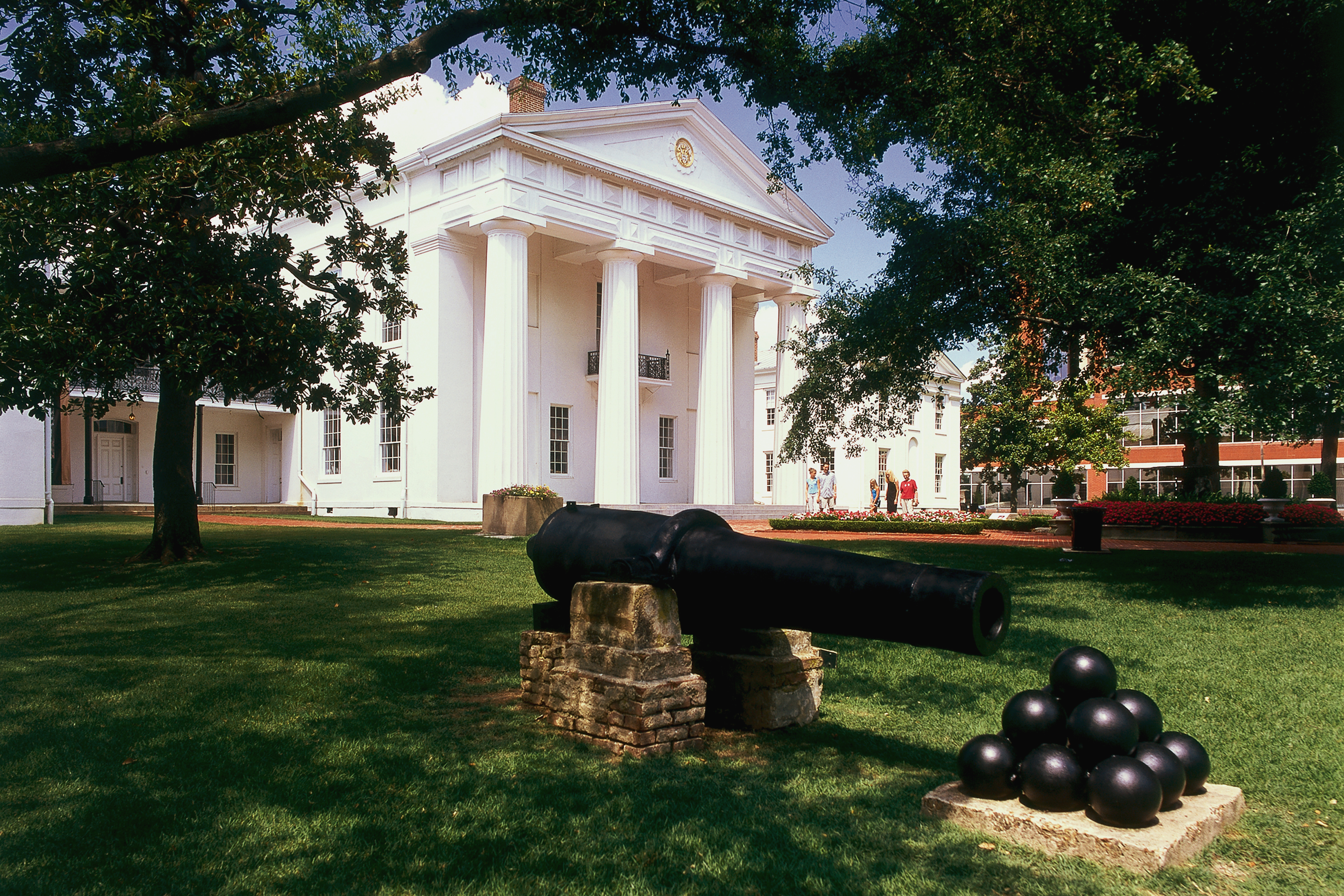
Construction on the building, then known as the Arkansas State House, began before 1836, when Arkansas officially became a state and the first meeting of the Arkansas General Assembly was held there during the early stages of construction. Construction continued for seven years before the building was proclaimed complete by Governor Archibald Yell in 1842. The Arkansas State House would serve as Arkansas’ first state capitol building for nearly 70 years.
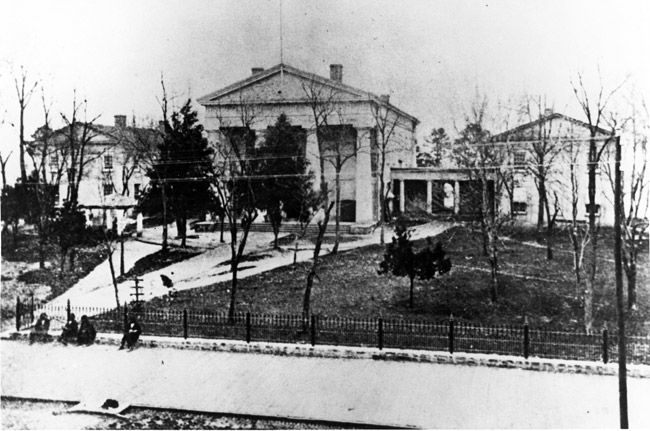
Some of Arkansas’ most well-known historic events have taken place in the building or on the grounds of the Old State House. In 1837, the Speaker of the House John Wilson killed Representative Joseph J. Anthony after a tax debate inside the building. In 1861, the vote that determined secession at the start of the Civil War happened there. In 1874, the building was the site of an armed conflict called the Brooks-Baxter War, which saw two gubernatorial candidates and their supporters fight both on the grounds of the Old State House and in the streets of Little Rock over the outcome of the 1872 gubernatorial race. In 1991, Bill Clinton announced his bid for the presidency there and also gave his acceptance speech there when he was elected president.
In 1900, the decision was made to build a new state Capitol building. Construction of the new capitol building was completed in 1911. After government officials moved out of the Arkansas State House and into the new capitol building, the Arkansas State House then became the home of the Arkansas Medical School. Over the next three decades, the building would also serve as headquarters for other organizations, including the Arkansas State Archives and the Arkansas State Police.
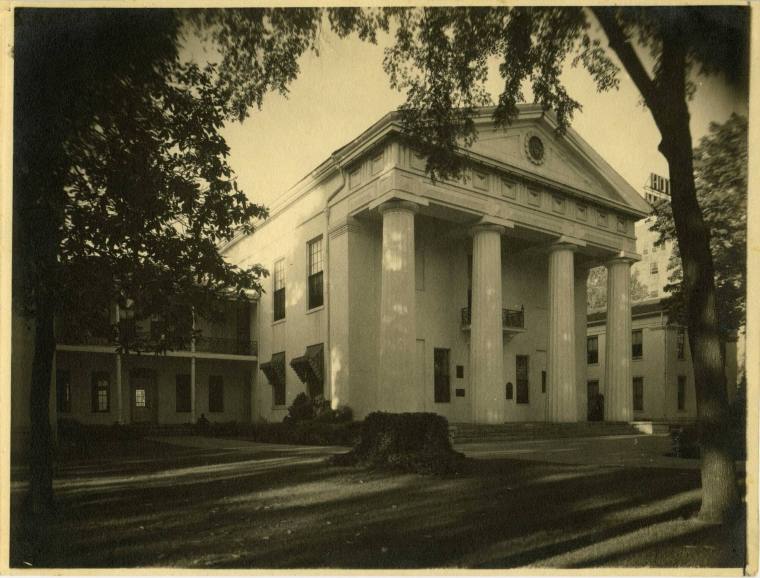
In 1945, Governor Benjamin T. Laney, who had campaigned on restoring the Old State House, created a committee to raise funds for the preservation of the historic structure. On February 14, 1951, the newly restored Old State House opened its doors as a museum dedicated to preserving and interpreting the history of Arkansas from statehood to the present day.
Over the years, repairs and updates have been made. In 1885, the Arkansas legislature funded a massive renovation and expansion of the building. In the late 1940s, the building went through another large renovation before its establishment as a museum.
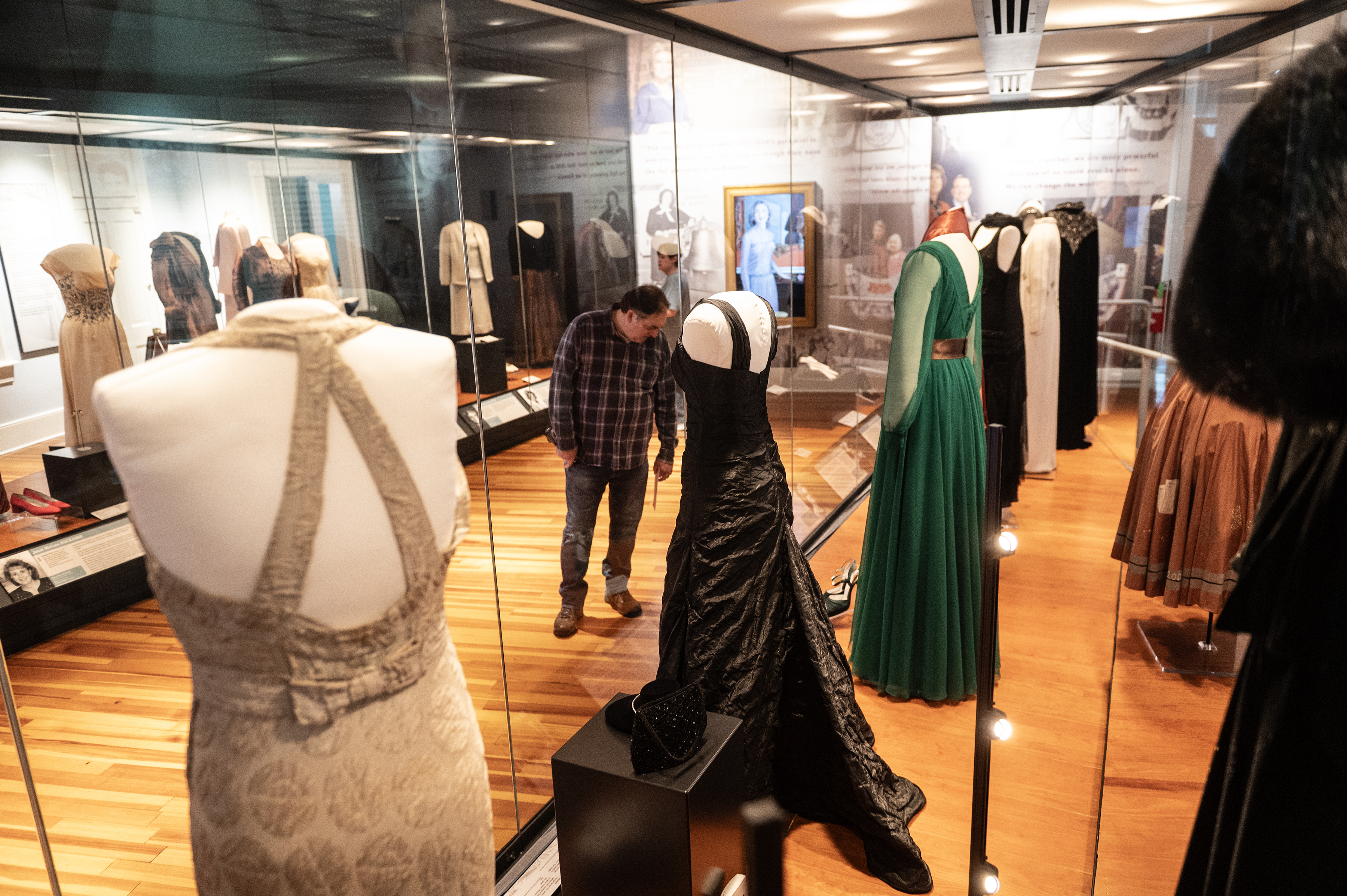
Today, the award-winning museum offers visitors an array of permanent and temporary exhibits related to the history of The Natural State. Permanent exhibits focus on the history of the Old State House, the political history of Arkansas, the First Families of Arkansas, an in-depth exhibit about Arkansas’ Governors through the years (47 in total), and First Ladies’ gowns.
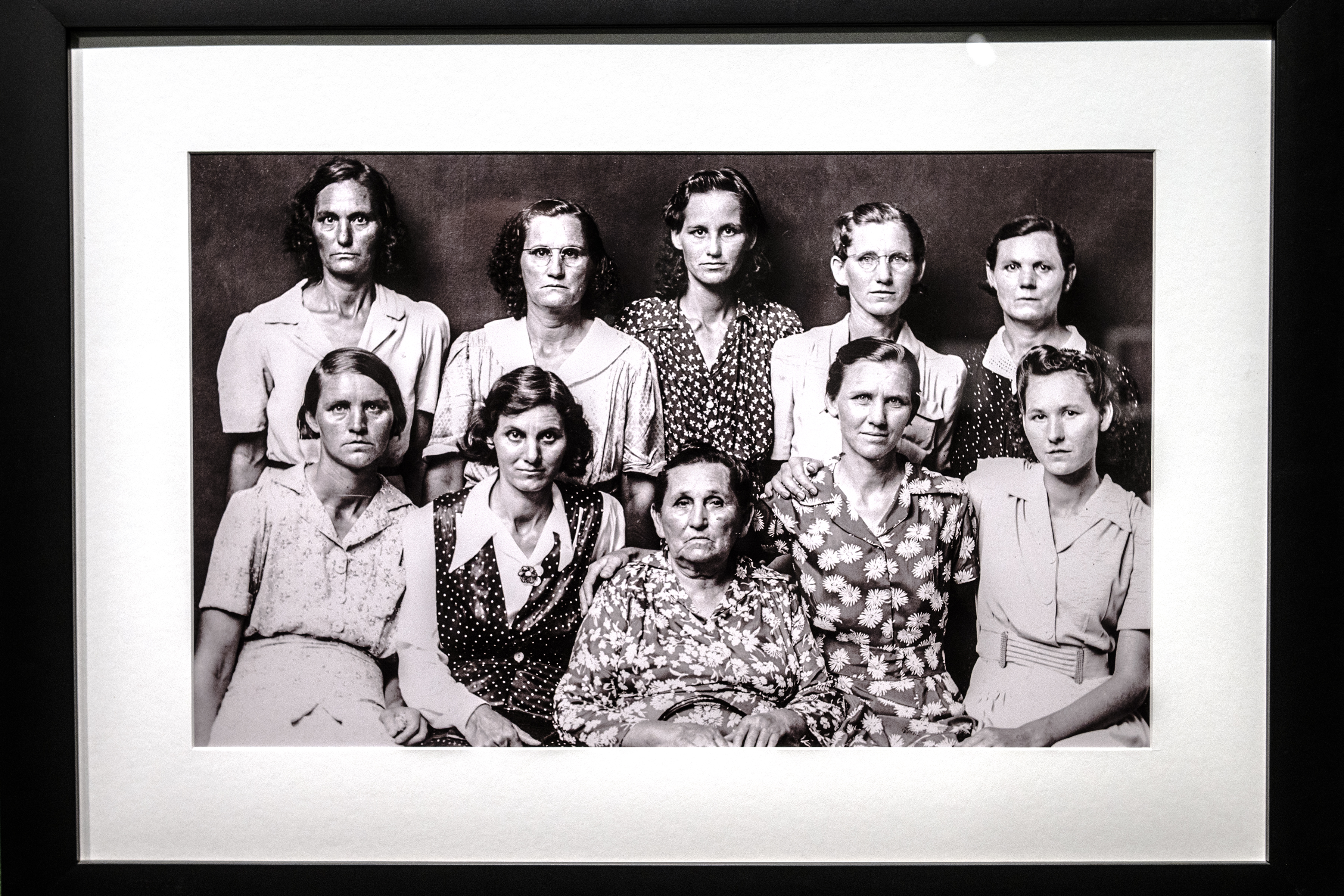
Temporary exhibits change throughout the year. On January 9, 2026, the Old State House Museum opened the exhibit, "Disfarmer: Portraits of Rural Arkansas." The exhibition includes a series of black and white photographs by Mike Disfarmer taken between the 1920s and 1950s. Born Mike Meyer in Indiana in 1884, Disfarmer moved with his family to Arkansas from Indiana in 1892 and eventually settled in Heber Springs. Disfarmer built a studio there and soon became known as the “town photographer.” His photos illustrate life in the rural South during a time of change and hardship, specifically during the Great Depression and World War II. The exhibit will be open through June 2026.
To learn more about the Old State House Museum and its exhibits, visit https://www.arkansasheritage.com/old-state-house-museum/about/history.
More to See and Do Near the Old State House Museum
The Old State House Museum is located in downtown Little Rock near other Heritage two other Heritage Division museums – Historic Arkansas Museum and Mosaic Templars Cultural Center. Both are located within minutes from the Old State House.
You can take the free METRO trolley and explore downtown Little Rock’s River Market and neighboring North Little Rock. Enjoy a wide variety of restaurants, breweries and pubs after a day of shopping and exploring. Little Rock is home to several Arkansas Food Hall of Fame inductees and nominees, including the renowned Doe’s Eat Place, K Hall & Sons Produce, Brave New Restaurant, the Faded Rose and Bruno’s Little Italy.
A visit to the Capital City isn’t complete without getting outdoors and experiencing the beauty of The Natural State. Plan a trip to Pinnacle Mountain State Park, located less than a half-hour drive from downtown Little Rock. The state park offers adventures for all ages and experience levels. From mountain biking and hiking to kayaking and butterfly watching, Pinnacle Mountain State Park has an outdoor adventure waiting for you.